Medicinal Herbs
3.5” Pots - $4.10 each
Ashwaganda
In Sanskrit it means “The Vitality of a Horse.” An herb of wide value, generally known as the ginseng of Ayurvedic medicine. Upright shrub grows to at least 2' with inconspicuous green-to-yellow flowers ripening to red berries. Roots are dried at the end of the growing season and used internally powdered or tinctured (other plant parts are toxic if eaten).

Bee Balm
Tall, spicy and fragrant with beautiful red flowers. Durable, hardy perennial plant that bees and hummingbirds love.
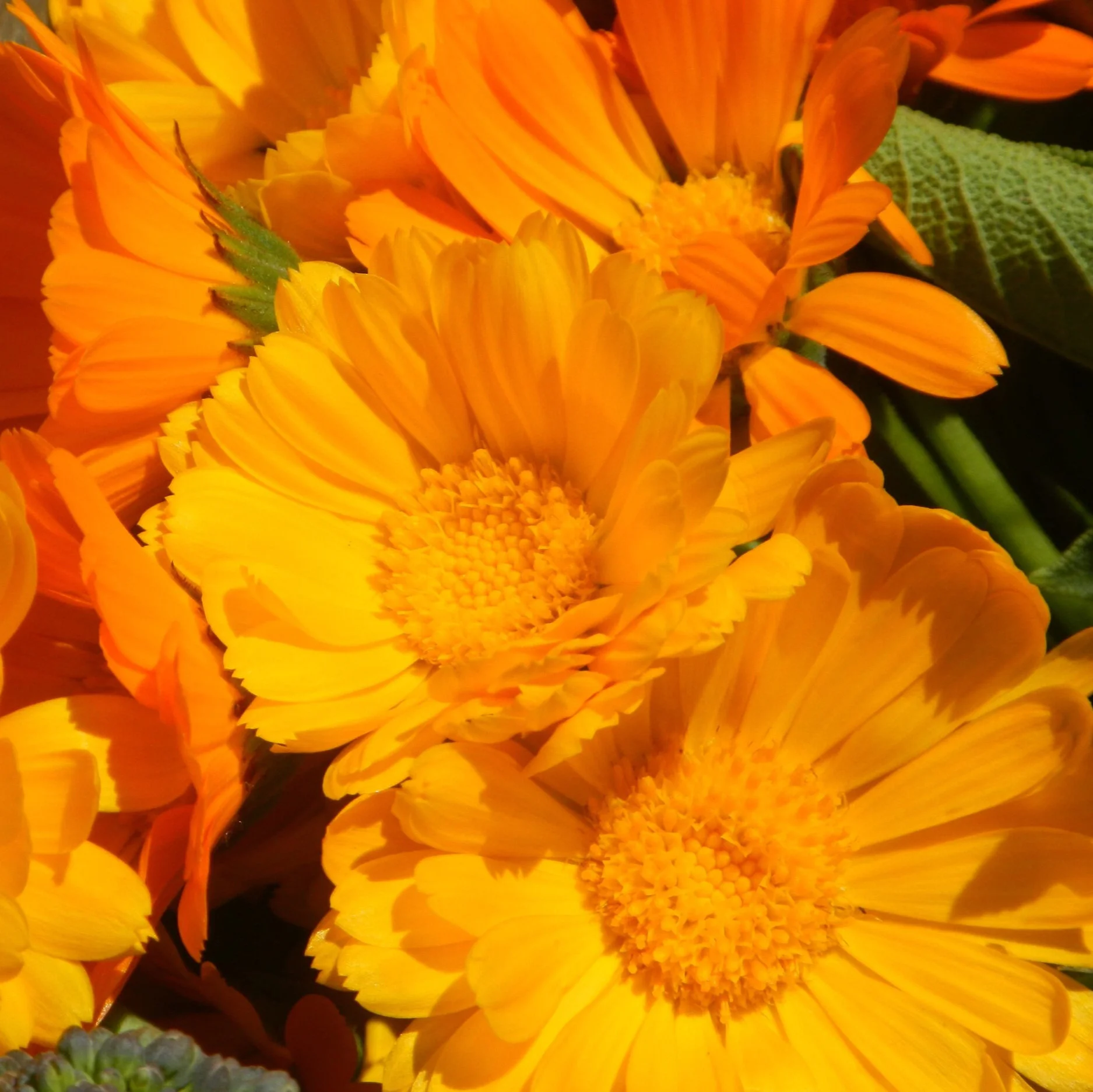
Calendula
Calendula petals have a tangy, slightly sweet flavor. Edible and can be used in soups salads and baked goods. High resin content for medicinal purposes - 24-30 inches
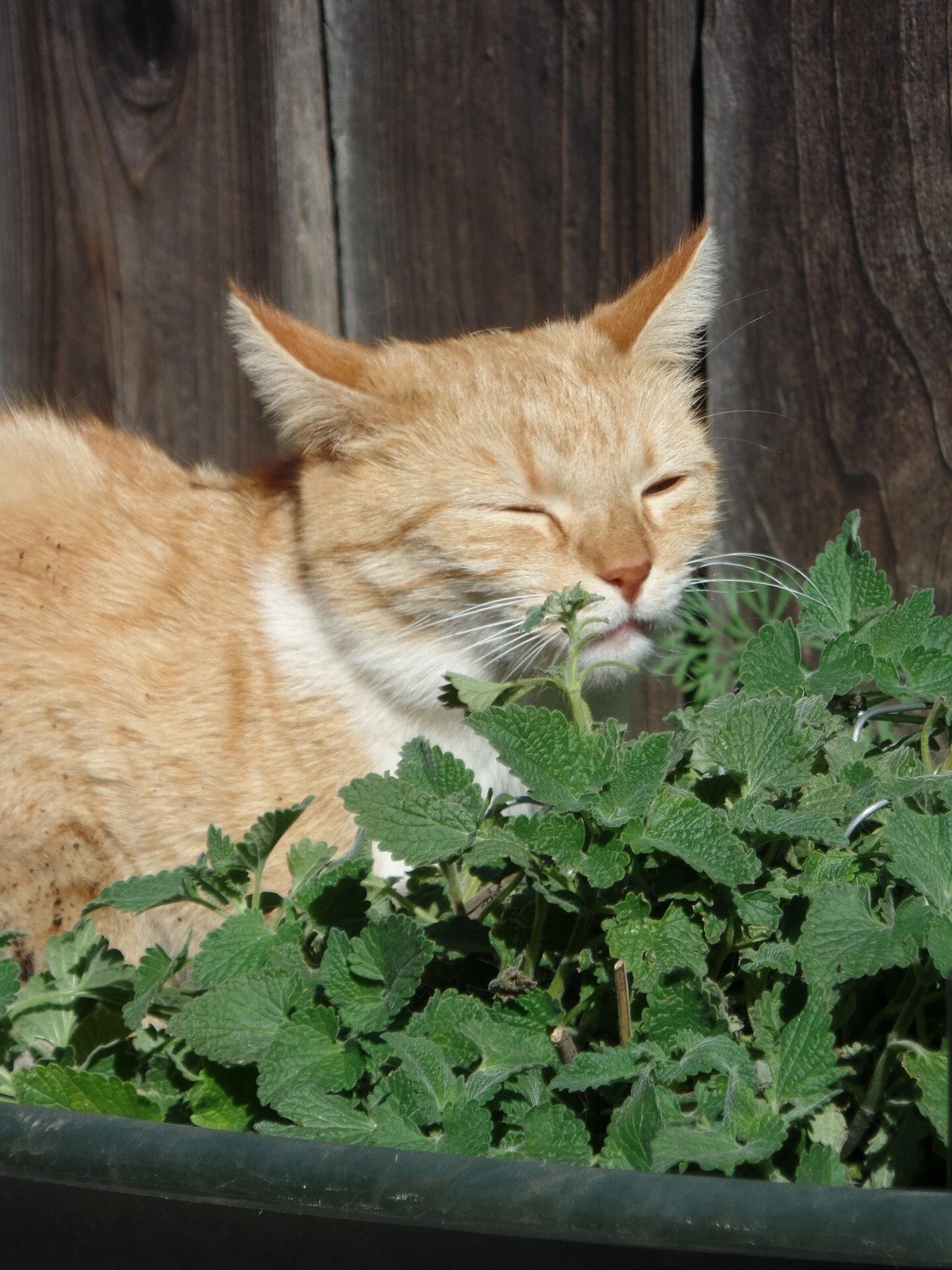
Catnip
Hardy perennial, thrives in poor soils. Cats love catnip and humans as well. Frequently used in tea form for stomach ailments, restlessness and fevers. There are even claims that fresh catnip leaves when rubbed on the skin is an excellent mosquito repellent! Catnip may be used fresh or dried.

Echinacea
This popular medicinal herb is a beautiful addition to any garden. Tall, purple/pink daisy-like blooms last into late summer and attract bees and butterflies. Makes a great cut flower. Hardy, loves sun.

Hyssop
Beautiful aromatic perennial border plant that produces spikes of indigo flowers, traditionally used in cough syrups. It also stimulates alertness and mental clarity, leaves are mildly bitter and may be added to salads, soups or stews.
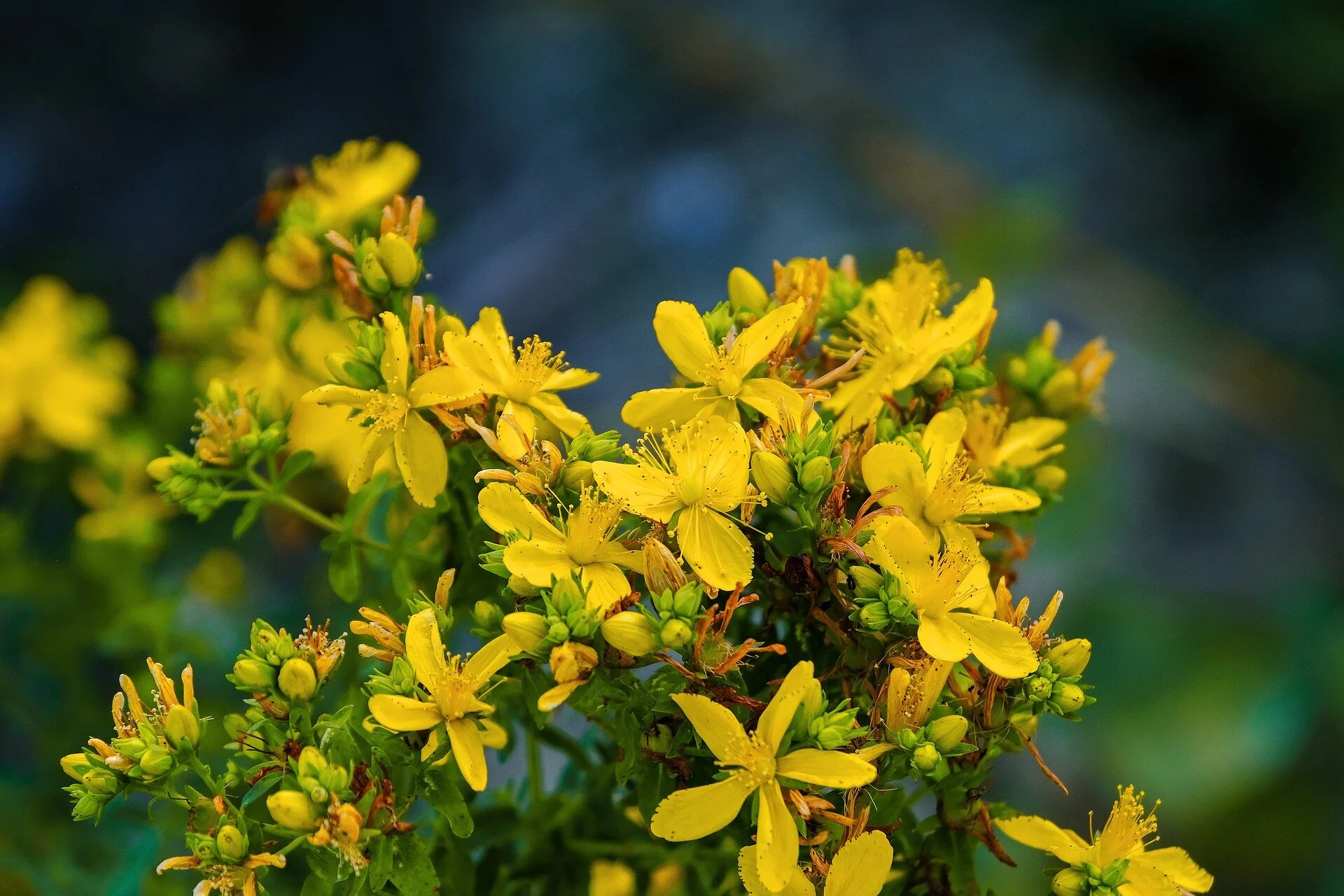
ST. John’s Wort
Traditionally used as a pain reliever, anti-inflammatory, anti-depressant and anti-anxiety, basically good for what ails you! May be found locally and blooms on June 24th, St. John’s day. Zone 5 partial shade

Tulsi Basil
Tulsi Basil also known as scred or holy basil is native to India and is valued for its medicinal properties. Often holy basil is found next to households to give divine protection. Used in Ayurvedic medicine to strengthen the immune system and to increase oxygen uptake to the brain. Makes a delicious tea.
Astragalus
Used in cases of exhaustion, food allergy or depression, and to improve digestion, and eliminate excess fluids. In his book Healing Lyme Stephen Harrod Buhner claims that astragalus can prevent and treat the many and varied symptoms of Lyme disease. Small yellow pea-like flowers on upright stems with vetch-like leaves. 1½–4' perennial. Plant in deep well-drained slightly alkaline soil. Harvest 4-6 -year-old roots in fall. Zone 4.
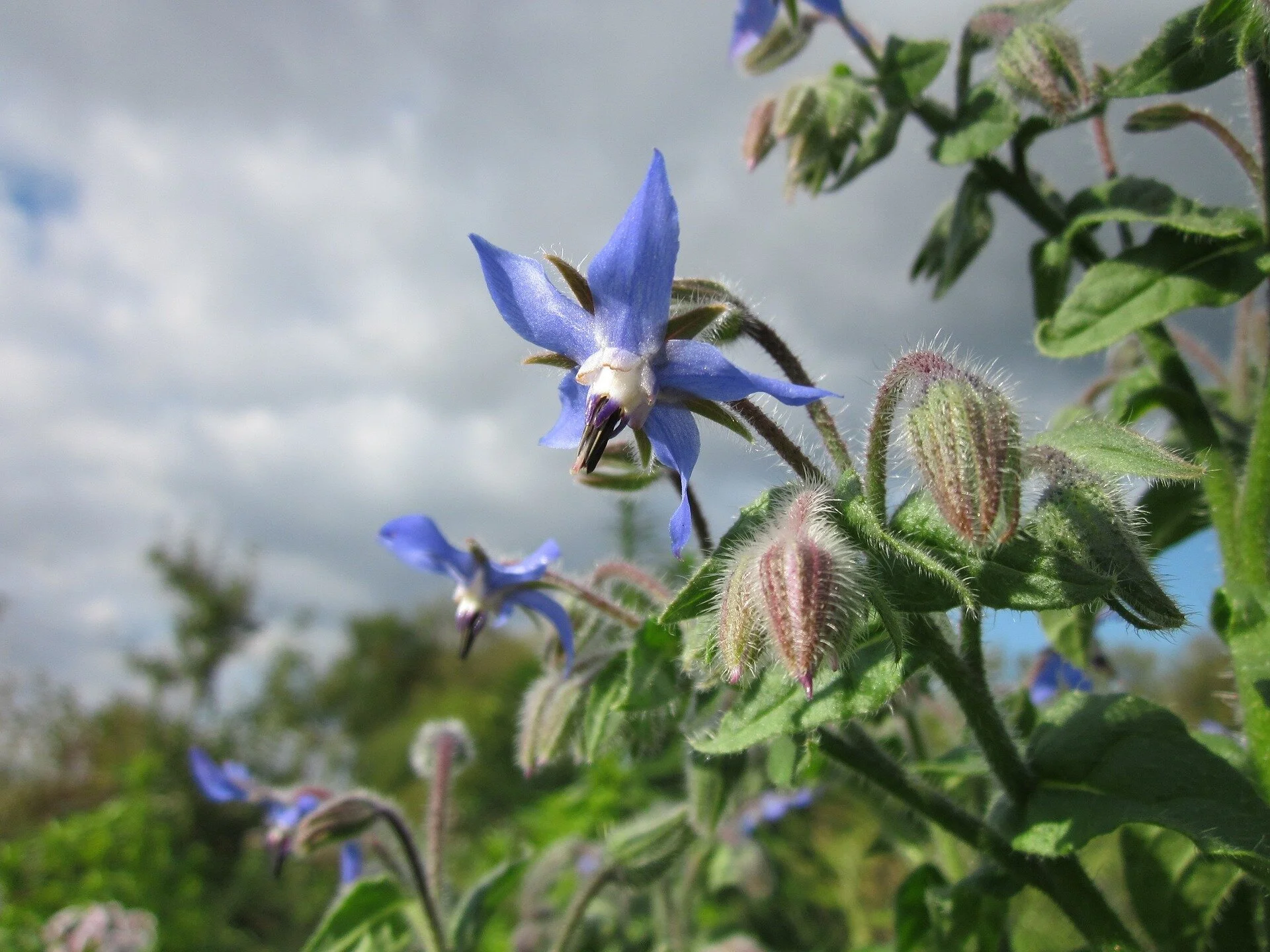
Borage
Great border plants, full, tall and attracts bees. Bears beautiful, edible blue flowers that will turn purple and pink. Used in cough syrups and a good source of omega fatty acids.

Chamomile
This low growing herb with beautiful green, feathery foliage is productive ad produces beautiful and calming daisy-like blooms. Typically brewed and ingested as tea.
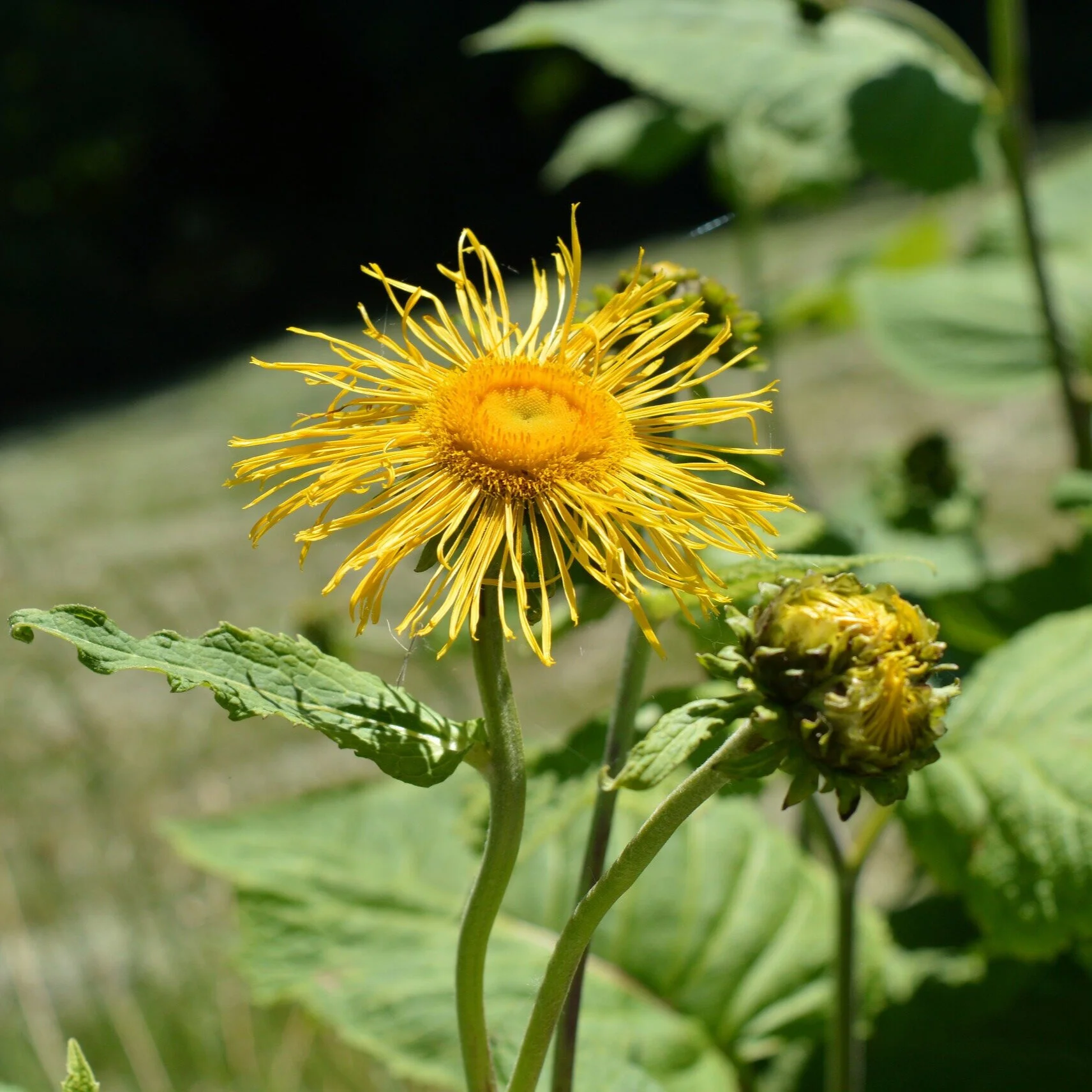
Elecampane
Also known as horseheal or wild sunflower. This large, dramatic plant is an excellent lung tonic. 5-8’ tall with large, bright yellow-rayed flowers all summer long.
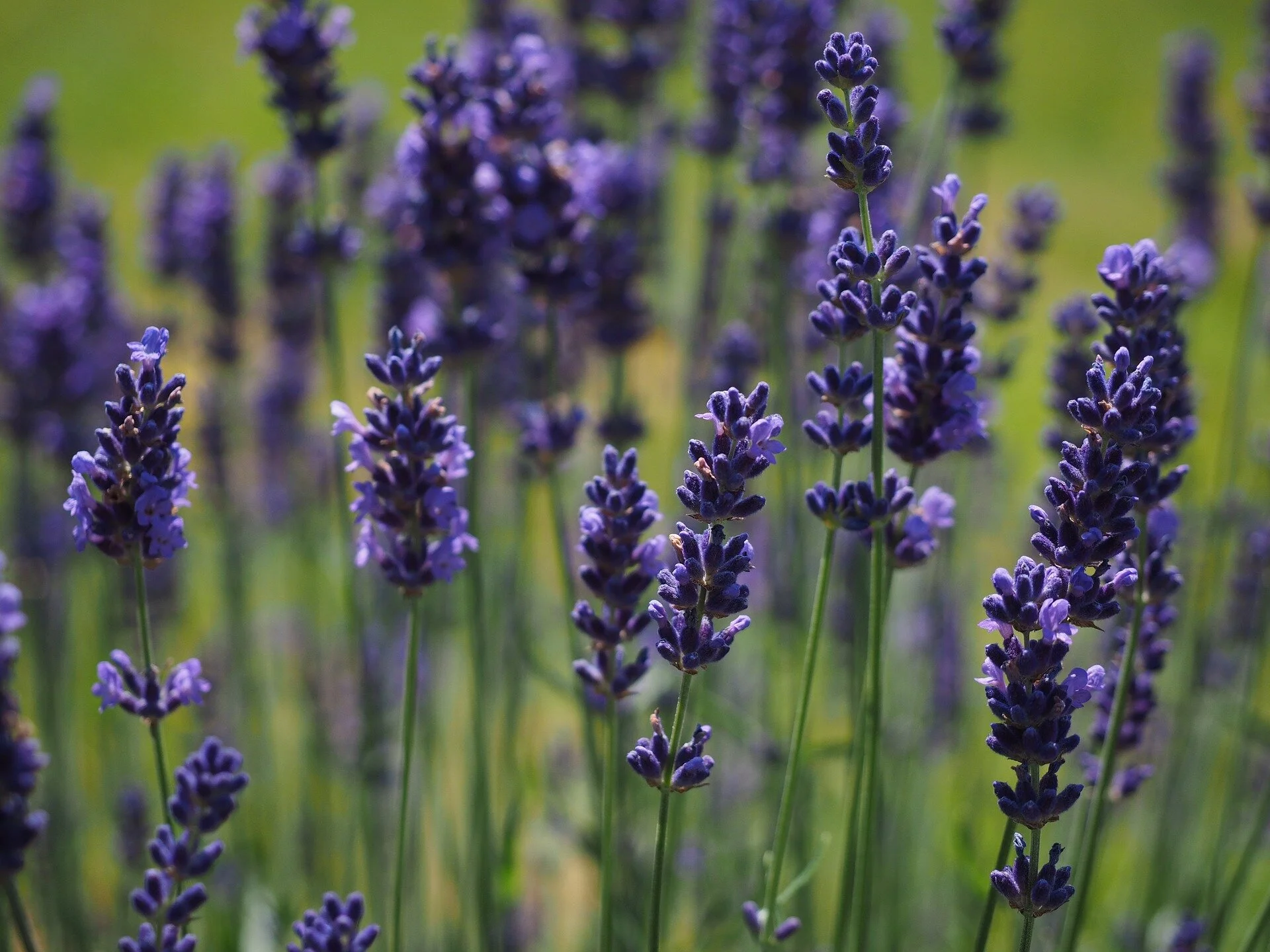
Lavender
Beautiful aromatic perennial border plant that produces spikes of indigo flowers, traditionally used in cough syrups. It also stimulates alertness and mental clarity, leaves are mildly bitter and may be added to salads, soups or stews.
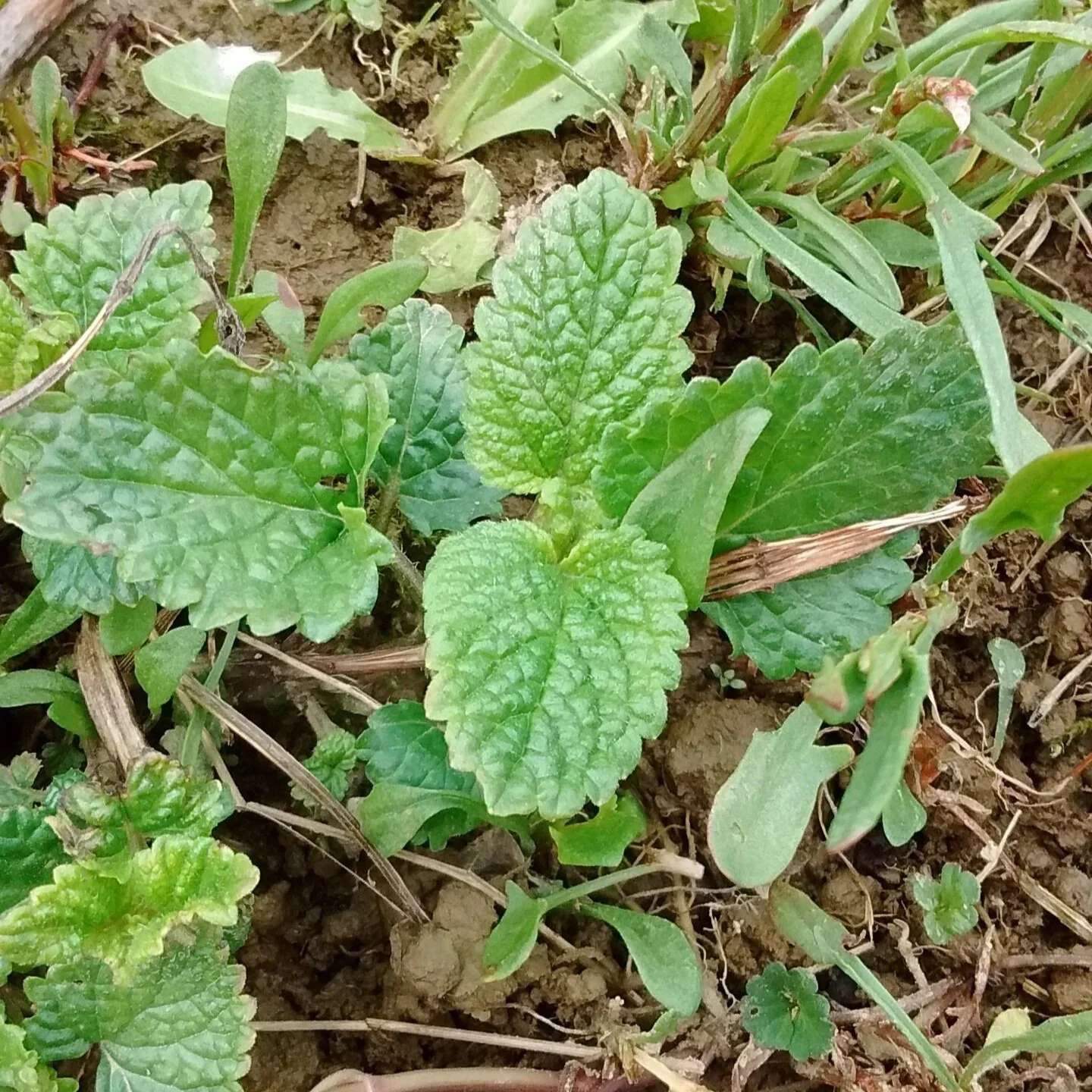
Lemon Balm
Sweet lemon-mint scent, delicious in salads and teas, easy to grow, attracts bees when in flower. Height 18-26”. Likes Sun.
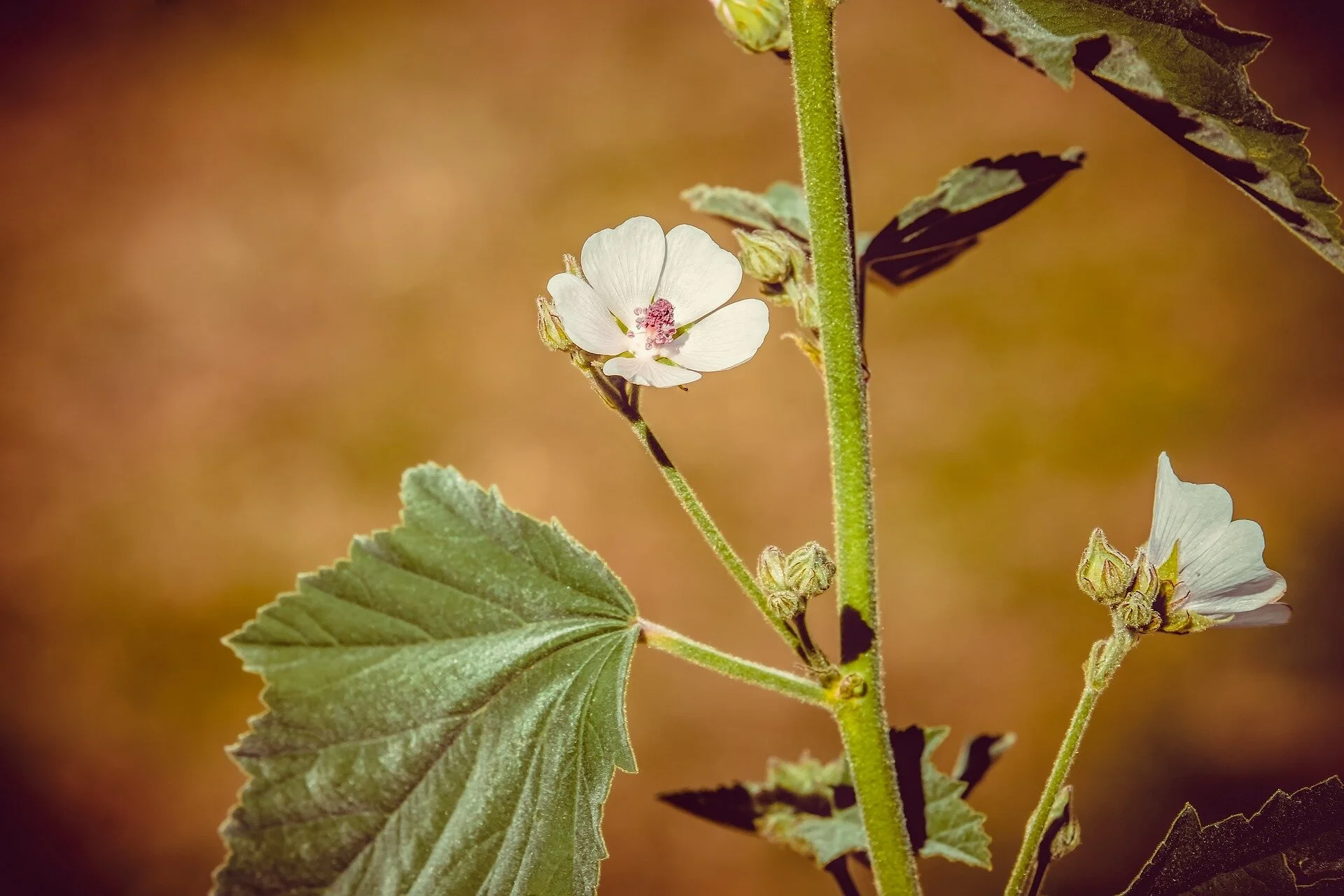
MarshMallow
Beautiful towering plant with mucilaginous roots used medicinally to soothe the mucous membrane linings of lungs and digestive tract.

Spilanthes
Known to herbalists as the Toothache Plant. Spilanthes’ tingling and mouth-numbing properties appear rapidly and last a while. Use its bronzy-purple leaves in salad or chew the leaves and flowers for temporary pain relief. Highly frost-sensitive annual. Used as a ground cover in the south, it adds unusual beauty with its low growth habit and its cute yellow flowers with rayless red-orange centers.
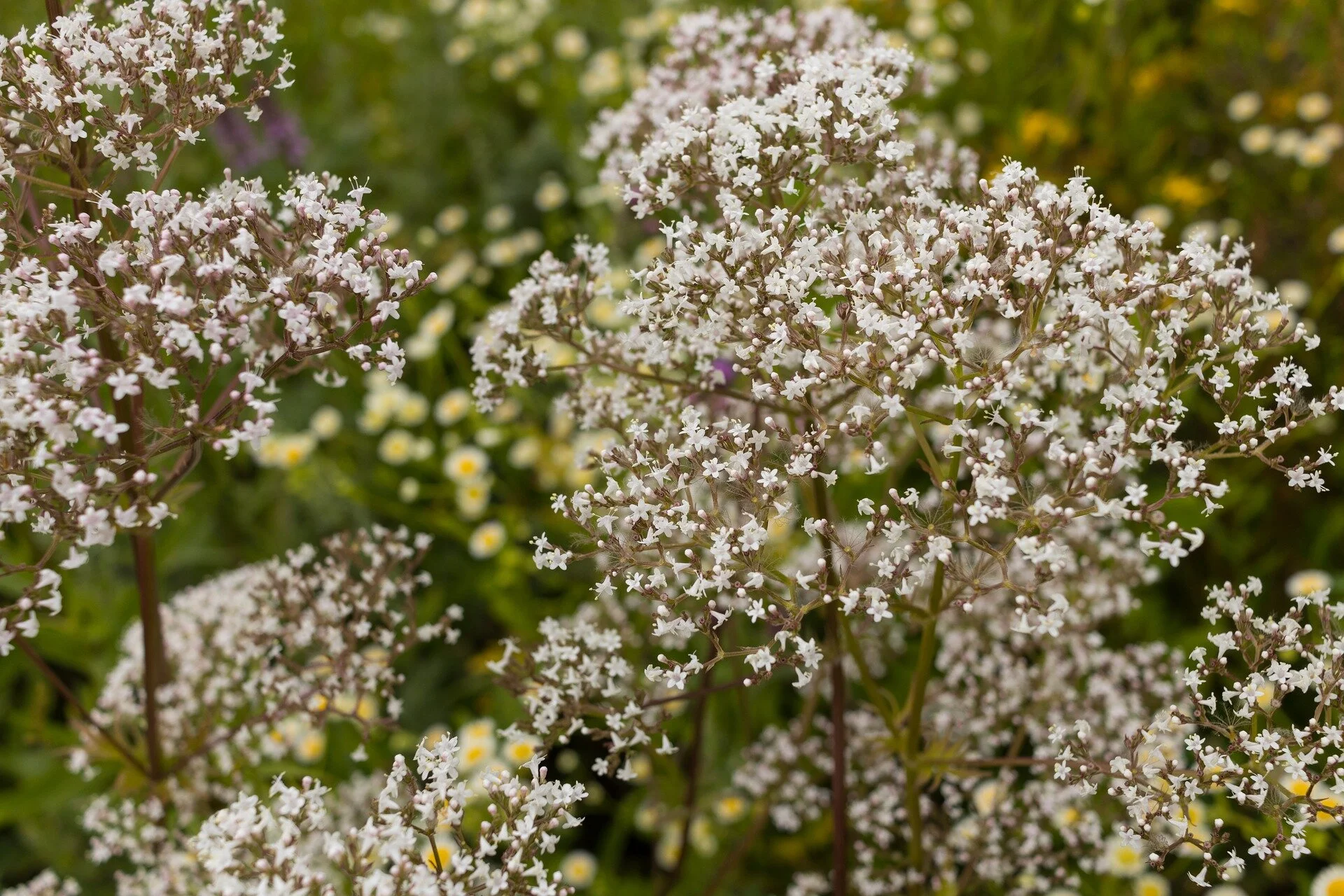
Valerian
Known as Nature’s Tranquilizer, valerian root is used to reduce tension and anxiety, alleviate insomnia, and relieve muscle spasms and cramping. Harvest roots in the fall of the second or later year. Avoid high doses for prolonged periods. Tall leafy 3–5' perennial with clusters of honey-scented pale pink flowers. Remove flowers to hasten root development. Plant in moist fertile soil about 1' apart. Zone 4.